
Knife Skills, Soft Hands is a practical cooking principle built on control, consistency, and respect for ingredients. Professional chefs understand that sharp tools and relaxed technique create better texture, safer movement, and more visually appealing dishes. Mastering basic knife skills improves speed, reduces waste, and elevates everyday cooking results.
This guide explains essential cutting techniques, proper grip, and safe food preparation methods for home cooks.
Why Knife Skills Matter in the Kitchen
Consistent cuts do more than improve appearance. Uniform pieces cook evenly, absorb seasoning properly, and create balanced texture.
Benefits of Strong Knife Technique
- Even cooking times
- Improved presentation
- Safer handling
- Reduced ingredient waste
- Greater kitchen efficiency
Developing knife skills enhances both quality and confidence.
The Foundation – Grip and Posture
Soft hands do not mean weak control. They mean relaxed, steady movement.
Proper Knife Grip
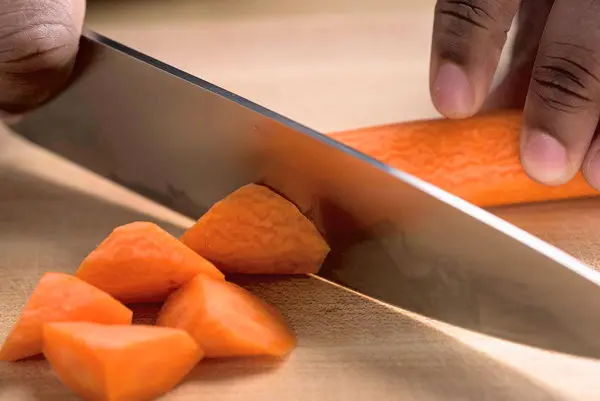
- Hold the blade with a pinch grip – thumb and index finger on the blade, remaining fingers on the handle
- Keep wrist relaxed
- Maintain steady pressure without squeezing
Guiding Hand Position
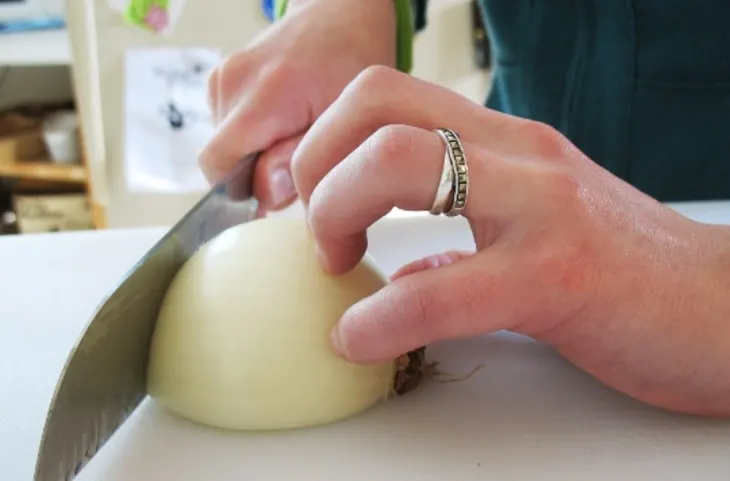
- Curl fingertips inward
- Use knuckles as a guide for the blade
- Keep movements controlled and consistent
Balanced posture reduces strain and improves precision.
Essential Knife Cuts Every Cook Should Know
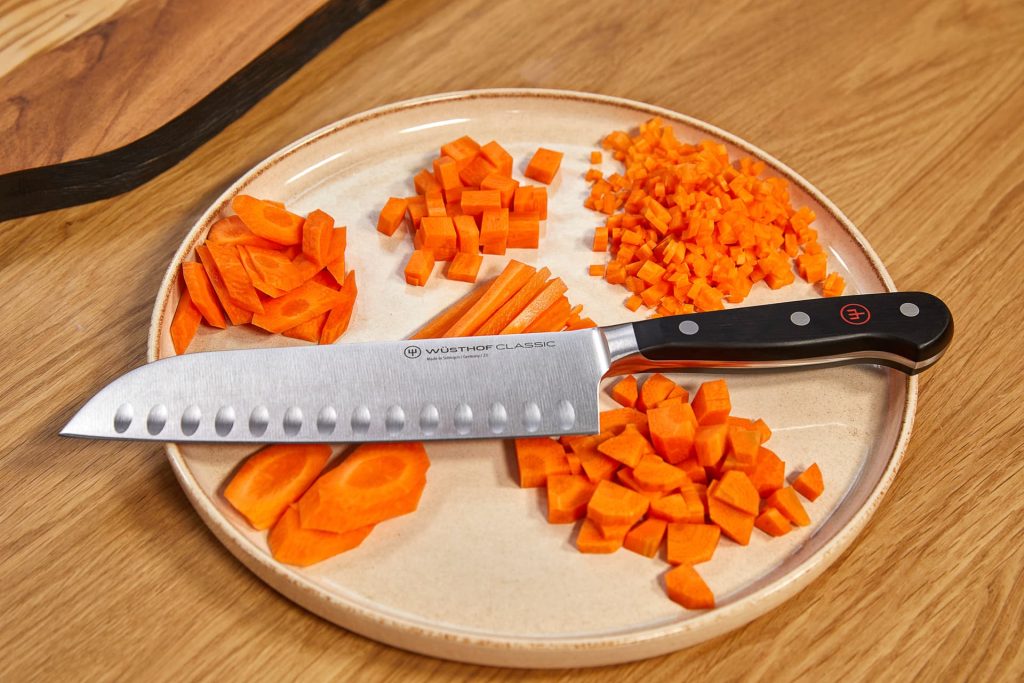
Dice
Uniform cubes ideal for soups, stews, and sauces.
Julienne
Thin matchstick cuts for stir-fries and salads.
Chiffonade
Fine ribbons used for herbs and leafy greens.
Slice
Even cuts for proteins, fruits, and vegetables.
Practicing these techniques builds muscle memory and consistency.
Choosing the Right Knife
The most versatile option for home kitchens is a chef’s knife between 20 and 25 cm in length.
Key Features to Look For
- Balanced weight
- Comfortable handle
- High-quality steel
- Sharp, even edge
A well-maintained knife requires less force, supporting the “soft hands” principle.
Knife Maintenance Basics
Sharp knives are safer than dull ones because they require less pressure.
Maintenance Tips
- Use a honing steel regularly
- Sharpen periodically
- Hand wash and dry immediately
- Store safely in a block or on a magnetic strip
Proper care extends tool lifespan and ensures consistent performance.
Common Mistakes to Avoid
- Using excessive force
- Cutting on unstable surfaces
- Ignoring dull blades
- Rushing repetitive cuts
- Lifting the blade too high during slicing
Controlled motion prevents accidents and improves results.
Safety Guidelines
- Keep fingers tucked
- Focus while cutting
- Avoid distractions
- Use a stable cutting board with non-slip support
- Store knives securely after use
Safe practices are essential in every kitchen environment.
Why Precision Cutting Is Trending
Modern home cooks frequently search for:
- Professional knife skills
- How to cut vegetables evenly
- Safe kitchen techniques
- Cooking fundamentals
Knife Skills, Soft Hands aligns with the growing interest in foundational culinary techniques rather than complicated recipes.
Frequently Asked Questions
Do I need multiple knives?
A quality chef’s knife can handle most kitchen tasks.
How often should I sharpen?
It depends on usage, but regular honing and periodic sharpening maintain performance.
Is expensive always better?
Quality matters, but comfort, balance, and maintenance are more important than brand name.
Final Thoughts
Knife Skills, Soft Hands is about refinement, not force. With proper grip, sharp tools, and relaxed control, you improve speed, safety, and consistency in every meal you prepare.