
When Garlic Turns Gold is the moment every cook should recognize. Garlic changes quickly under heat – transforming from sharp and pungent to sweet, nutty, and aromatic. Understanding exactly when garlic reaches that golden stage can elevate pasta, sauces, vegetables, meats, and soups.
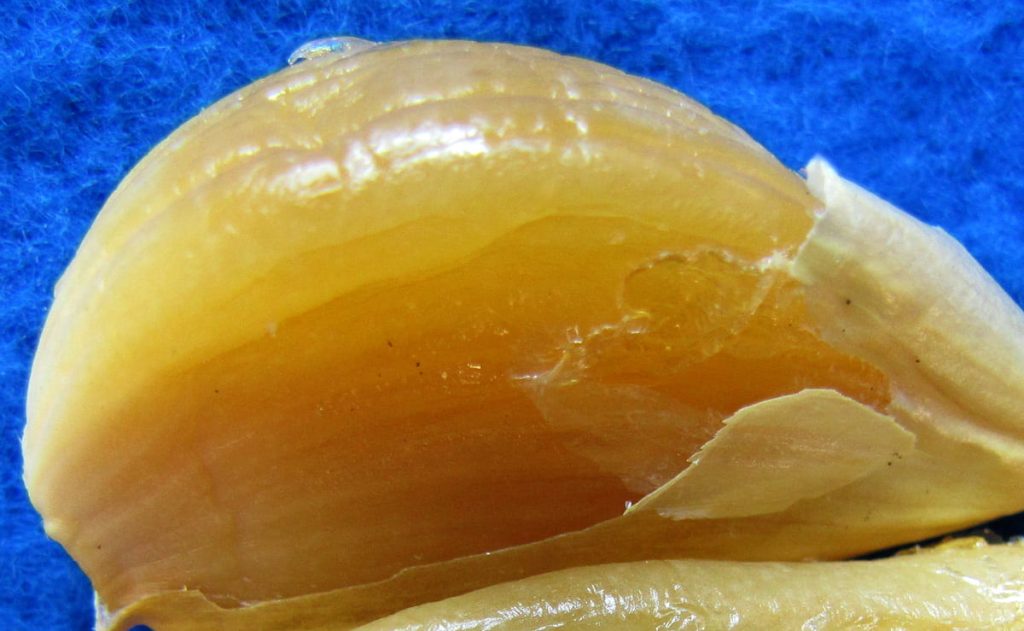
This guide explains how garlic behaves in hot oil, how to avoid bitterness, and how to use golden garlic for balanced flavor in everyday cooking.
Why Garlic Color Matters
Garlic contains natural sugars and sulfur compounds. When exposed to moderate heat, these compounds react and create:
- Sweetness
- Toasted aroma
- Mellowed sharpness
- Enhanced depth in sauces
However, garlic burns quickly. Once it turns dark brown, bitterness develops and can overpower an entire dish.
Recognizing the golden stage ensures flavor enhancement without harshness.
The Science Behind Golden Garlic
Garlic browns due to the Maillard reaction and caramelization. This process begins when sliced or minced garlic cooks in oil at moderate temperature.
Ideal Conditions for Golden Garlic
- Medium or medium-low heat
- Thin, even slices
- Adequate oil to prevent scorching
- Constant attention
Golden garlic typically develops within 30 to 90 seconds, depending on thickness and heat level.
How to Achieve Perfect Golden Garlic
Step 1 – Prepare Even Pieces
Slice or mince garlic uniformly for consistent cooking.
Step 2 – Start with Warm Oil, Not Smoking Oil
Add garlic once oil is warm but not at its smoke point.
Step 3 – Stir Gently and Continuously
Move garlic in the pan to prevent hot spots.
Step 4 – Remove from Heat at Light Golden Color
Garlic continues cooking briefly after removal.
Timing is critical. A few extra seconds can make a significant difference.
Best Dishes for Golden Garlic
The technique works especially well in:
- Olive oil pasta sauces
- Stir-fried vegetables
- Garlic shrimp
- Tomato-based sauces
- Toasted bread toppings
Golden garlic adds subtle sweetness without dominating other ingredients.
Common Mistakes to Avoid
- Cooking garlic at high heat
- Adding garlic before oil warms evenly
- Walking away from the stove
- Using overly large pieces that cook unevenly
Garlic requires attention and controlled heat.
Health and Nutrition Overview
Garlic contains beneficial compounds such as allicin, which forms when garlic is crushed or chopped. Cooking reduces some of these compounds but enhances digestibility and flavor.
Balanced use of garlic contributes to a varied and flavorful diet. It should be consumed as part of normal meal portions.
Storage and Preparation Tips
- Store whole garlic bulbs in a cool, dry place
- Avoid refrigeration for whole bulbs
- Use fresh cloves for best aroma
- Do not store garlic in oil at room temperature due to food safety risks
Proper handling ensures safety and quality.
Why Golden Garlic Is Trending
Home cooks frequently search for:
- How to cook garlic without burning
- Garlic pasta recipes
- Proper sauté techniques
- Flavor-building fundamentals
When Garlic Turns Gold captures a precise moment that defines flavor success in countless dishes.
Frequently Asked Questions
Can I use pre-minced garlic?
Fresh garlic provides stronger aroma and better texture control.
Why does my garlic taste bitter?
Overcooking or high heat typically causes bitterness.
Should I salt garlic while cooking?
Salt can draw moisture and slow browning slightly, but it should be added carefully to avoid splattering.
Final Thoughts
When Garlic Turns Gold is about precision and awareness. By controlling heat and watching for subtle color change, you unlock sweetness and depth that enhance nearly any savory recipe.