
Fire Under the Pan is a back-to-basics cooking philosophy focused on one essential element – controlled heat. Whether you are searing steak, sautéing vegetables, or building flavor for a sauce, the relationship between flame and pan determines texture, aroma, and taste.
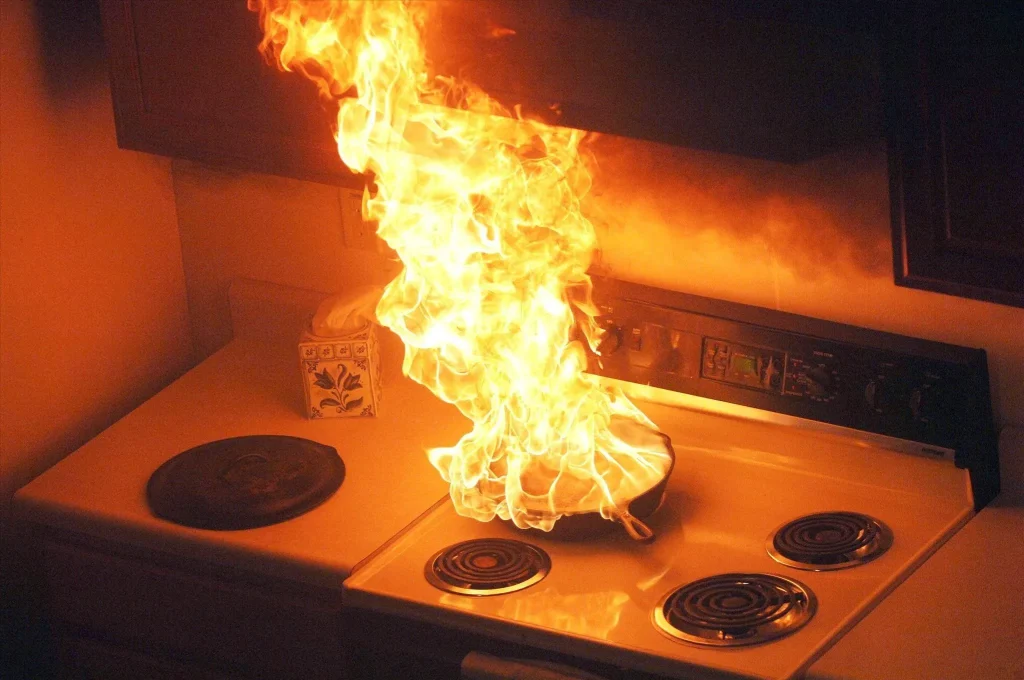
Understanding how heat transfers through cookware helps home cooks achieve consistent, restaurant-quality results without complicated techniques or excessive ingredients.
Why Direct Heat Matters in Cooking
Cooking is fundamentally about heat transformation. When fire meets metal, energy transfers into food through conduction. The intensity and control of that heat affect:
- Browning and caramelization
- Moisture retention
- Texture development
- Flavor concentration
Too little heat causes steaming. Too much heat causes burning. Precision creates balance.
The Science of Searing
High heat triggers the Maillard reaction – a chemical.atomic process between amino acids and sugars that produces deep flavor and golden-brown color.
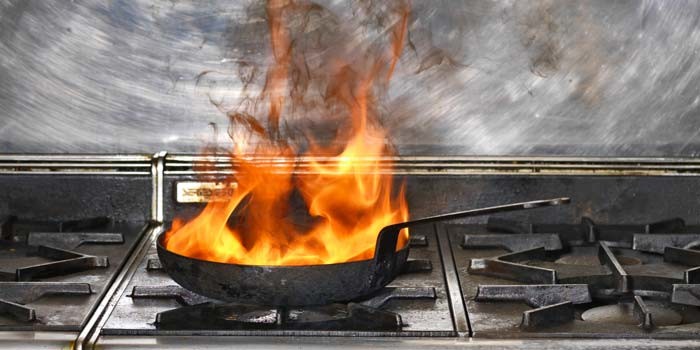
Key Factors for Proper Searing
- Preheat the pan fully
- Pat proteins dry
- Avoid overcrowding
- Use oil with appropriate smoke point
- Allow food to release naturally before flipping
When executed properly, searing locks in juices while creating a flavorful crust.
Choosing the Right Pan
Different materials respond differently to fire:
Cast Iron
- Excellent heattoni retention
- Ideal for high-heat searing
- Durable and versatile
Stainless Steel
- Even heating
- Good for sauces and deglazing
- Requires proper preheating
Carbon Steel
- Lightweight alternative to cast iron
- Responsive to temperature adjustments
Selecting the right cookware enhances control and consistency.
Managing Heat Like a Professional
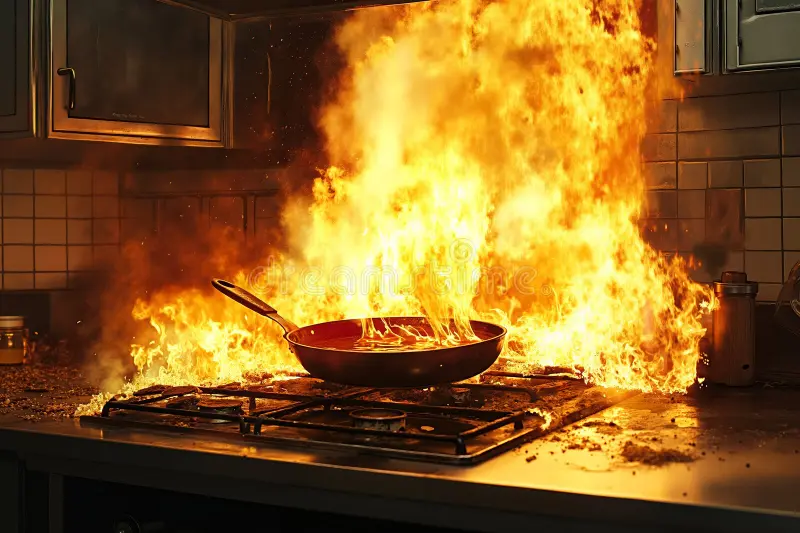
Professional kitchens rarely keep burners at maximum. Instead, they adjust constantly.
Practical Heat Control Tips
- Start high for preheating
- Reduce once food hits the surface
- Listen for steady sizzling – not aggressive popping
- Lift the pan off heat if needed
Learning to read sound and aroma improves results dramatically.
Common Mistakes to Avoid
- Adding food to a cold pan
- Flipping too early
- Using low-smoke-point oils at high heat
- Constant stirring when searing
Patience and observation are essential.
Fire Safety and Kitchen Best Practices
When cooking over direct heat:
- Keep flammable items away from burners
- Never leave high heat unattended
- Ensure proper ventilation
- Turn handles inward to prevent spills
Safe cooking habits protect both food quality and your kitchen.
Best Dishes for Fire Under the Pan
This technique shines in:
- Pan-seared steak
- Crispy chicken thighs
- Stir-fried vegetables
- Caramelized onions
- Toasted spices
These dishes rely on strong but controlled heat for optimal texture and flavor.
Why High-Heat Cooking Is Popular
Home cooks increasingly search for:
- Crispy texture techniques
- Restaurant-style searing
- Cast iron cooking methods
- Quick but flavorful meals
Fire Under the Pan answers this demand by focusing on technique over complexity.
Frequently Asked Questions
How do I know if my pan is hot enough?
A small drop of water should evaporate quickly and dance across the surface.
Should I oil the pan or the food?
Either works, but lightly oiling the food can provide more even coating.
Why does food stick?
Food naturally releases when a proper crust forms. Moving it too early causes sticking.
Final Thoughts
Fire Under the Pan is about respecting heat. By preheating properly, managing flame intensity, and choosing suitable cookware, you gain full control over texture and flavor.